Back on Cumberland Island
It’s been a little while since my last archaeology blog, but that certainly doesn’t mean things have slowed down. Quite the opposite! Over the past several months, the archaeology lab has stayed busy with fieldwork, collections care, and partnerships. One of the highlights has been returning to Cumberland Island National Seashore to continue ongoing research into the Spanish mission San Pedro de Mocama.
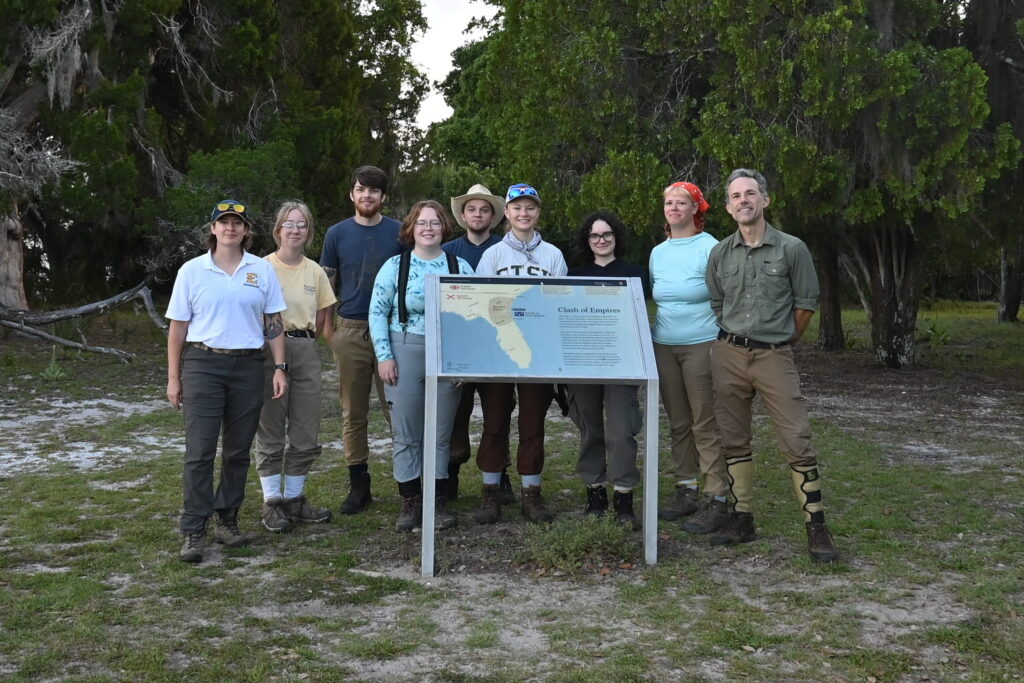
Working with the National Park Service, I spent over two weeks conducting archaeological investigations as part of our continuing effort to better understand this significant mission site and the threats it faces from shoreline erosion. Every trip to Cumberland brings new challenges, new questions, and new opportunities to learn more about Georgia’s colonial past.
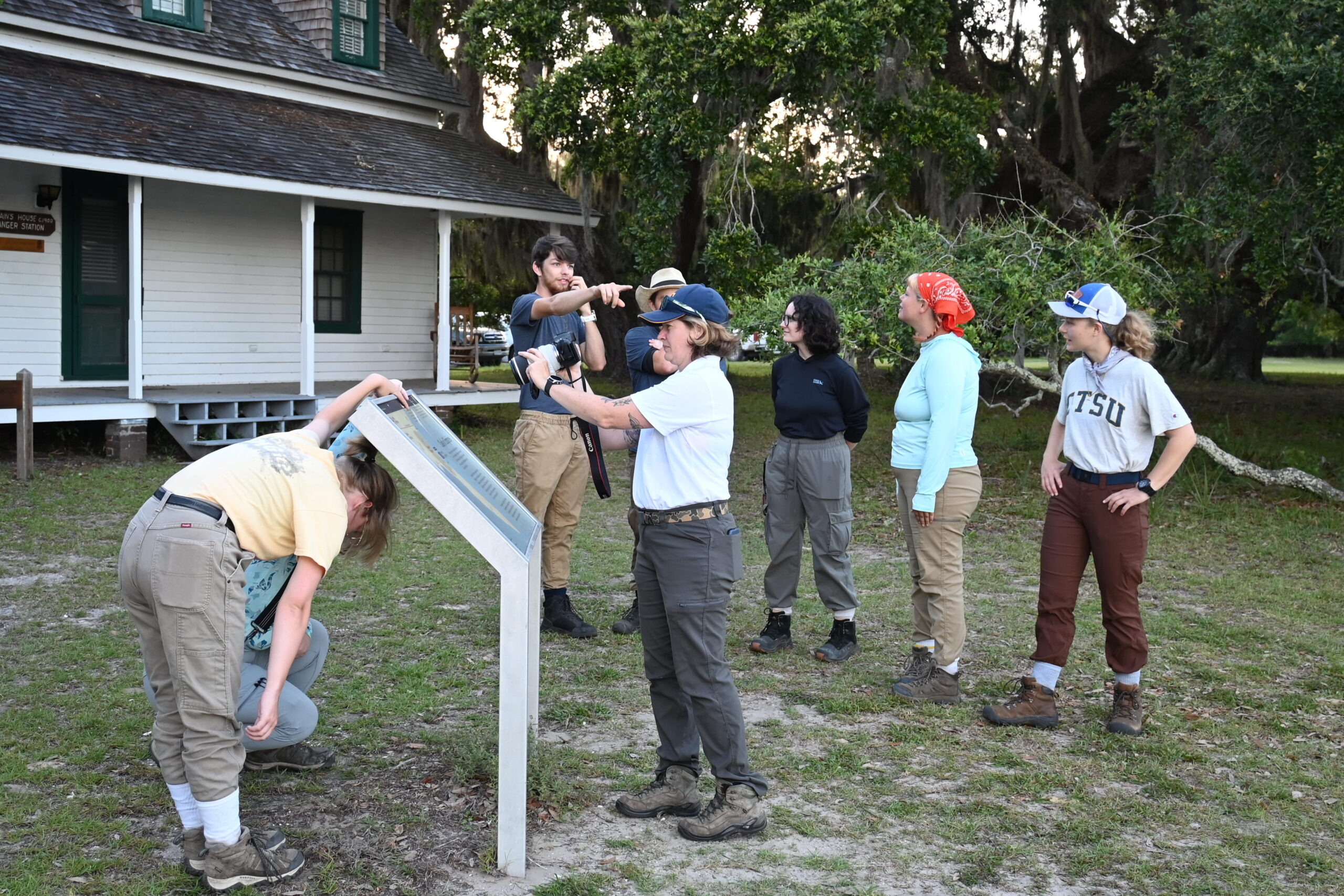
This field season also provided an opportunity to help train the next generation of archaeologists. Joining me was one of my co-principal investigators, Dr. Lindsey Cochran of East Tennessee State University, who was leading a separate research project on the north end of the island. Rather than keeping students at a single site, we decided to mix things up. Throughout the field season, undergraduate students rotated between our projects, giving them the chance to experience two very different archaeological sites while learning a variety of field methods and techniques. One week they’d be assisting me with mission-related work, the next, they were tackling a completely different set of archaeological questions on the north end of the island.
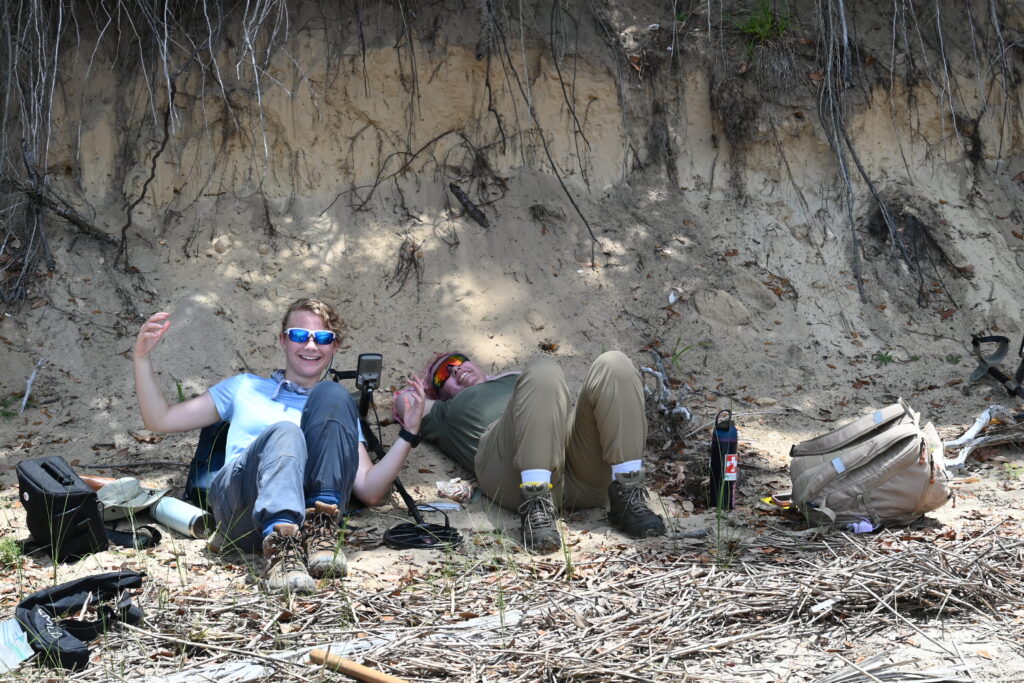
Of course, summer on the Georgia coast doesn’t make archaeology easy. Long days in the heat and humidity can be exhausting, but they’re also incredibly rewarding. Watching students gain confidence in the field, ask thoughtful questions, and connect archaeological methods with the stories they reveal about our shared past made every hot day worthwhile.
Back at the Lab
While fieldwork often gets the spotlight, the archaeology lab has been just as busy behind the scenes. Throughout the summer, we’ve continued processing existing and incoming collections while making steady progress on a comprehensive box inventory of the archaeological collections under our care. Knowing exactly what we have, where it is, and how it’s organized is fundamental to responsible collections stewardship.
This is meticulous work, but it is among the most important things we do. Properly organizing, documenting, and caring for archaeological collections ensures that these irreplaceable pieces of Georgia’s past remain accessible for future research, exhibits, and educational programs. It also plays a critical role as our Society prepares for its upcoming reaccreditation through the American Alliance of Museums (AAM).
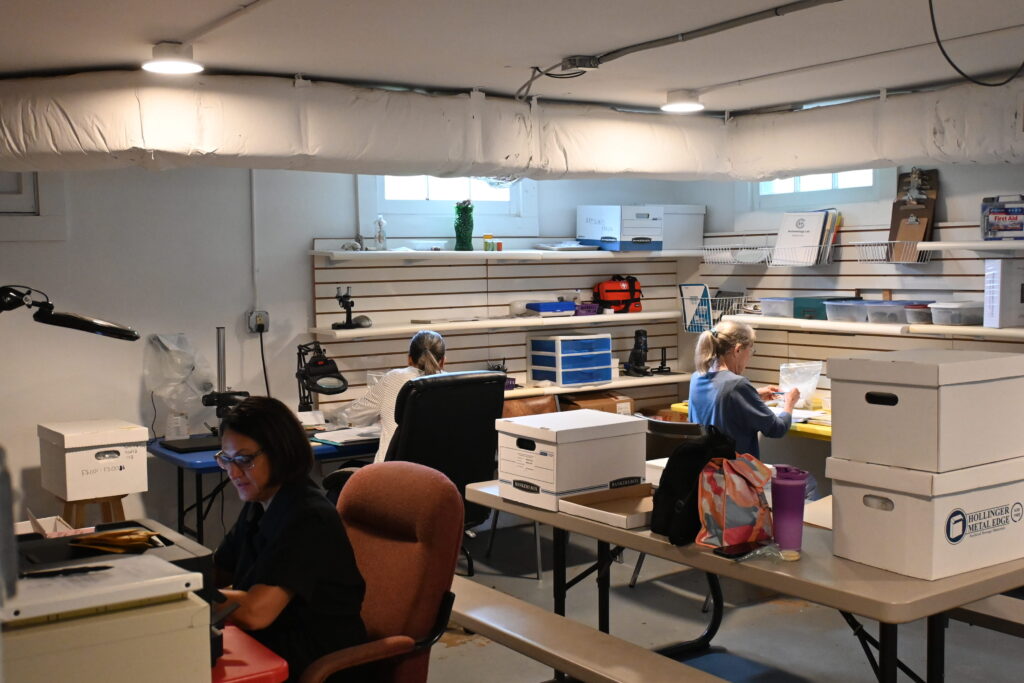
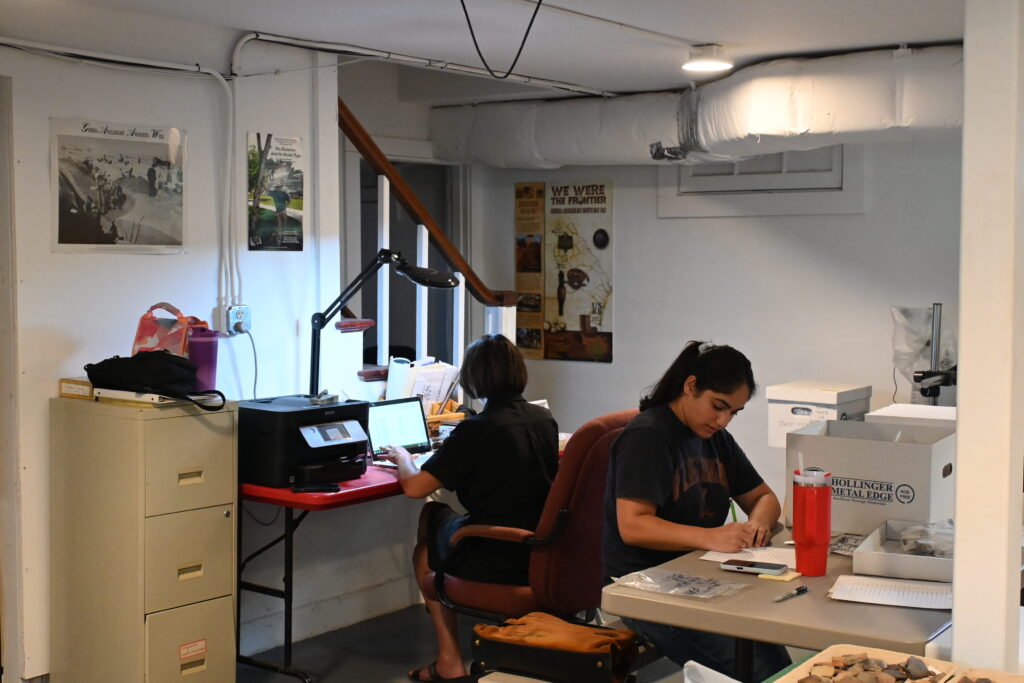
None of this would be possible without the dedication of our incredible volunteers. Their commitment has allowed us to make tremendous progress, and I’m especially grateful to one of our own staff members, Trish Scott, whose willingness to jump in and lend a hand has been immensely helpful.
Together, these volunteers are helping preserve more than 5,000 years of coastal Georgia history—one box, one artifact, and one collection at a time.
Looking Ahead
As summer gives way to fall, there’s plenty more on the horizon. I’ll be returning to Cumberland Island in late October and early November to continue our investigations into the Spanish mission San Pedro de Mocama and further our collaborative work with the National Park Service and research partners.
Shortly after returning, I’ll be heading to Birmingham, Alabama, to present our ongoing Spanish mission research at the Southeastern Archaeological Conference (SEAC). It’s always exciting to share what we’re learning with fellow archaeologists and to contribute to the broader conversation about Georgia’s rich past.
And the busy season doesn’t end there! I’ll also be helping with the Society’s upcoming Journeys program, where archaeology will take center stage. Keep an eye out for our upcoming newsletter and the Society’s website and social media accounts for more details.
As always, thank you to everyone—our volunteers, research partners, and community supporters—who continue to make this work possible. I look forward to sharing more discoveries and stories from the field in the months ahead.